
What Is a DADU? Complete Guide for Seattle Homeowners (2026 Update)
Learn what is a DADU Seattle homeowners guide. Explore meaning, rules, design, permits, and benefits of backyard cottages in Seattle 2026.
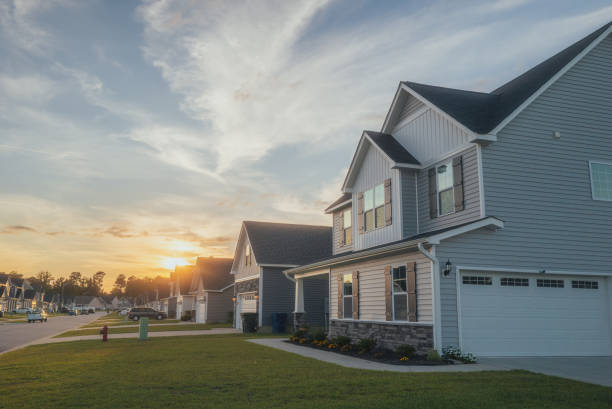
Understanding housing options in Seattle has become increasingly important as homeowners look for flexible living solutions. One of the most discussed property additions today is the DADU, or Detached Accessory Dwelling Unit. If you are exploring ways to maximize your property value, create rental potential, or build multigenerational living space, learning about DADU Seattle regulations and opportunities is essential.
At Waltier Homes Inc, we help homeowners understand the building process in a clear and practical way. This guide explains everything you need to know about DADUs, from meaning and benefits to construction process and local requirements in Seattle.
Understanding What a DADU Is in Seattle
A DADU is a standalone residential structure built on the same lot as a primary home. It is separate from the main house but fully functional with its own living space.
In simple terms, the DADU meaning refers to a small home located in the backyard or side yard of an existing property.
Key Features of a DADU
- Detached from the main house
- Includes kitchen, bathroom, and living space
- Designed for long-term habitation
- Built on residential property with zoning approval
Unlike attached units, a DADU provides complete independence while still sharing the same land parcel.
Why DADUs Are Growing in Popularity in Seattle
Seattle’s housing demand has made DADUs an attractive solution for homeowners looking to expand living space without relocating.
Common reasons homeowners choose DADUs:
- Multigenerational living arrangements
- Additional rental income potential
- Flexible guest accommodation
- Increased property value over time
- Better use of existing land
If you are exploring options on your property, you can also review our internal guide on home expansion planning for better understanding.
Difference Between DADU and ADU
Many homeowners confuse DADUs with ADUs. While both fall under accessory dwelling units, there is a key difference.
A backyard cottage Seattle homeowners often refer to is typically a DADU.
Seattle Rules and Regulations for DADU Construction
Understanding local rules is essential before starting any project involving DADU Seattle construction.
Seattle has specific zoning and building requirements that ensure safety, privacy, and neighborhood compatibility.
Common regulations include:
- Lot size requirements
- Setback rules from property lines
- Height limitations
- Parking considerations in some zones
- Design compatibility with main home
These rules vary depending on neighborhood zoning classifications.
DADU Permits and Approval Process in Seattle
Before construction begins, homeowners must obtain necessary permits. This ensures the project complies with city standards.
Typical permit stages include:
- Site evaluation approval
- Architectural plan submission
- Structural engineering review
- City permit issuance
- Final inspection clearance
Important considerations:
- Accurate documentation is critical
- Design must meet Seattle building codes
- Approval timelines vary based on complexity
Working with professionals familiar with the detached ADU guide process helps reduce delays.
You can also explore internal resources on home permit planning for better clarity.
Benefits of Building a DADU in Seattle
A DADU offers multiple advantages beyond just extra space.
1. Flexible Living Options
DADUs can be used for:
- Family members
- Guests
- Long-term rental use
- Home office or studio space
2. Better Property Utilization
Instead of leaving backyard space unused, homeowners can transform it into a functional living unit.
3. Long-Term Investment Value
A well-designed DADU can enhance overall property appeal and usability.
4. Privacy and Independence
Unlike shared living arrangements, a DADU provides complete separation between living spaces.
Step-by-Step Process of Building a DADU in Seattle
Building a DADU requires structured planning and execution. Below is a simplified breakdown of the process.
Step 1: Site Evaluation
Before design begins, the property is assessed for:
- Available space
- Soil condition
- Zoning eligibility
Step 2: Design Planning
Architectural planning focuses on:
- Layout efficiency
- Space optimization
- Natural lighting
- Integration with existing home design
Step 3: Permitting Process
City approvals are obtained before construction starts. This is one of the most important stages in DADU Seattle development.
Step 4: Construction Phase
Construction typically includes:
- Foundation work
- Framing
- Electrical and plumbing installation
- Interior finishing
Step 5: Final Inspection
Once construction is complete, inspections ensure compliance with safety and building standards.
Design Considerations for a Backyard Cottage in Seattle
Design plays a major role in functionality and long-term satisfaction.
Key design priorities include:
- Efficient use of small space
- Privacy between main home and DADU
- Energy efficiency
- Storage optimization
Popular design styles:
- Modern minimalist
- Scandinavian-inspired layouts
- Traditional cottage designs
A well-designed backyard cottage Seattle enhances both usability and aesthetic appeal.
Cost Factors and Planning Considerations
While we avoid pricing details, it is important to understand what influences overall project planning.
Major factors include:
- Design complexity
- Site conditions
- Material selection
- Permit requirements
- Utility connections
Proper planning ensures smoother execution and fewer delays during construction.
Common Challenges in DADU Construction
Although DADUs offer many benefits, homeowners may face certain challenges.
1. Zoning Restrictions
Some properties may have limitations based on neighborhood regulations.
2. Permit Delays
Approval timelines can vary depending on documentation and design complexity.
3. Space Limitations
Smaller lots may require creative architectural solutions.
4. Utility Integration
Connecting water, sewer, and electricity requires careful coordination.
Working with experienced builders helps address these challenges effectively.
Is a DADU Right for Your Property?
A DADU is not suitable for every property, but it is a great option for many Seattle homeowners.
You should consider a DADU if:
- You have unused backyard space
- You want flexible living arrangements
- You are planning long-term investment improvements
- You want to increase property functionality
If you are unsure, our internal planning resources on home evaluation can help you make an informed decision.
Future of DADUs in Seattle Housing Market
DADUs are expected to play a significant role in Seattle’s housing landscape.
Key trends include:
- Increased adoption in residential neighborhoods
- More flexible zoning policies
- Growing demand for multi-generational housing
- Focus on sustainable small-home design
As housing needs evolve, DADUs provide a practical and adaptable solution.
Conclusion
A DADU is a smart and flexible way to expand residential living space in Seattle. From understanding DADU meaning to exploring zoning rules, design options, and construction steps, homeowners can make informed decisions about adding a detached unit to their property.
For those exploring DADU Seattle opportunities, it is important to understand regulations, design requirements, and long-term benefits before starting the project. A well-planned DADU can enhance functionality, improve property value, and provide versatile living options for years to come.
At Waltier Homes Inc, we specialize in helping homeowners navigate every step of the planning and construction journey with clarity and confidence. If you are ready to explore your options, reach out today and Contact us for expert guidance.
Frequently Asked Questions (FAQs)
1. What is a DADU in Seattle?
A DADU is a detached accessory dwelling unit built on the same property as a main home, offering independent living space.
2. What is the difference between ADU and DADU?
An ADU can be attached or detached, while a DADU is always a separate standalone structure.
3. Do I need permits to build a DADU in Seattle?
Yes, permits are required for design approval, construction, and final inspection.
4. Can a DADU be used for rental purposes?
Yes, many homeowners use DADUs for long-term rental or family housing, depending on regulations.
5. What is the main benefit of a backyard cottage in Seattle?
A backyard cottage provides flexible living space, privacy, and better use of residential land.
Ready to build something real
Let's talk about your project and what it means to you